Steel fittings are mechanical components used to connect and join pipes, tubes, or
hoses together. They are commonly used in plumbing, oil and gas, and chemical
industries. The materials used to manufacture steel fittings can vary depending on the
specific application and requirements.
Some common materials used for steel fittings include:
- Carbon Steel:
- Stainless Steel:
- Alloy Steel:
This is the most common material used for steel fittings, and it is known for its strength and durability. Carbon steel fittings are typically used in low to medium pressure applications.
Stainless steel is corrosion-resistant and has good strength, making it an ideal material for fittings used in harsh environments. It is commonly used in food processing, pharmaceutical, and marine industries.
Alloy steel is a combination of carbon steel and other elements such as chromium, nickel, and molybdenum. This material has high strength and is often used in high-pressure and high-temperature applications.
Some common types of steel fittings include:
- Elbows:
- L.R. Bend:
- Tees:
- Unions:
- Cross:
- Swage Nipple:
- Coupling:
- Reducer:
- Stub End:
- Cap:
- Plug:
- Bushing:
- Boss:
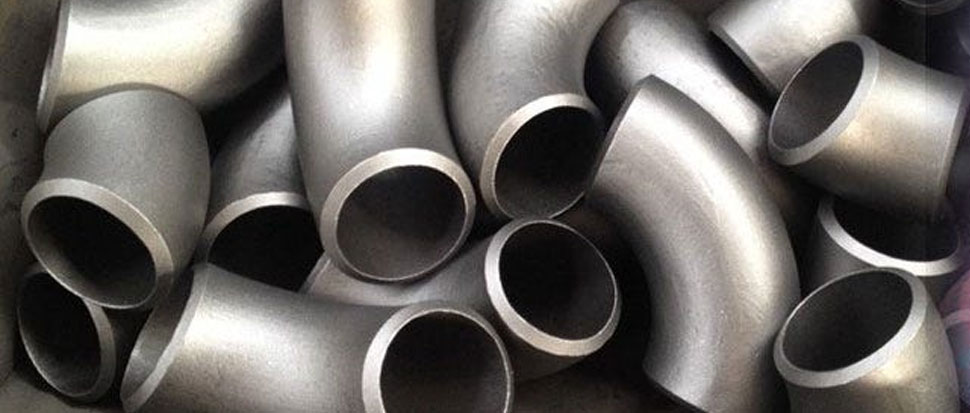
Elbows are used to change the direction of pipes or tubes. They are commonly available in 45 degree and 90 degree angles.
Long Radius (L.R.) bends are used to change the direction of piping with a larger radius, reducing pressure loss and improving flow characteristics.
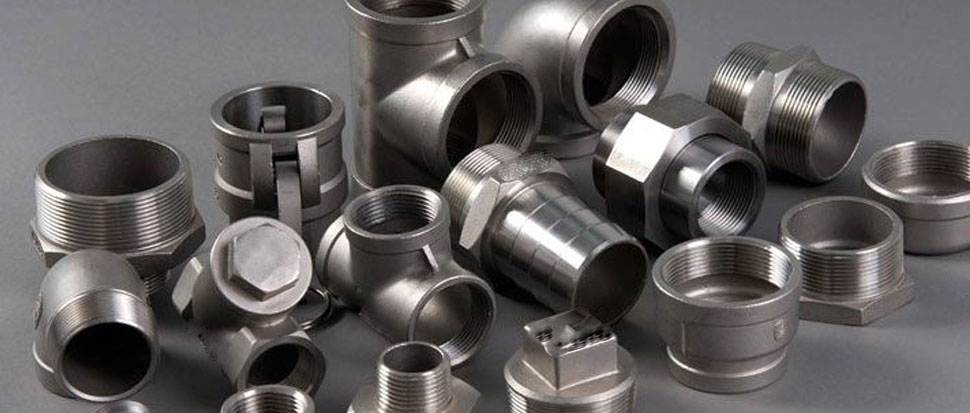
Tees are used to connect three pipes or tubes together, forming a T-shaped junction.
Unions are used to connect pipes while allowing easy disconnection for maintenance or repair.
Cross fittings are used to connect four pipes or tubes at a single junction.
Swage nipples are used to connect pipes of different diameters in a straight line.
Couplings are used to connect two pipes or tubes of the same diameter.
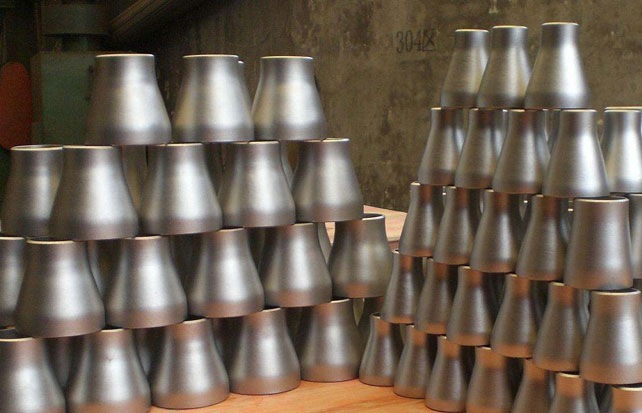
Reducers are used to connect pipes of different diameters. They are available as concentric and eccentric reducers.
Stub ends are used with lap joint flanges and are commonly used in systems that require frequent dismantling. Types include concentric stub ends, eccentric stub ends, long pattern stub ends, and short pattern stub ends.
Caps are used to close the end of a pipe or tube.
Plugs are used to seal pipe openings, typically with threaded connections.
Bushings are used to reduce pipe size by connecting larger fittings to smaller pipes.
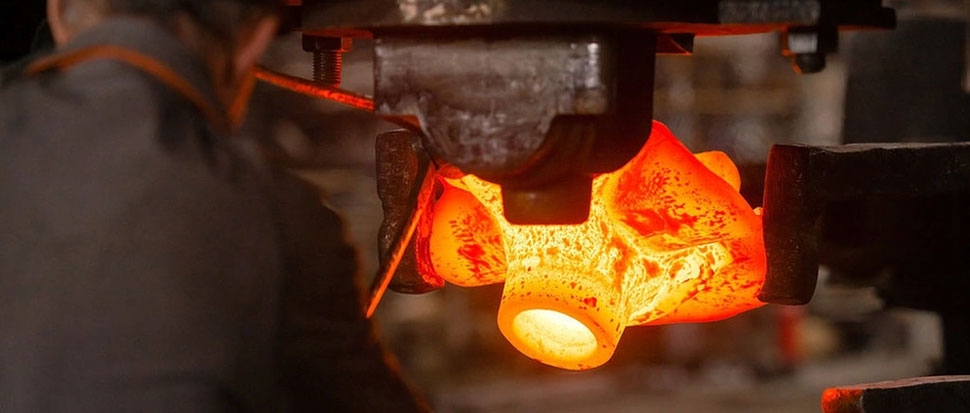
Boss fittings are used for specialized connections in forged fitting applications.